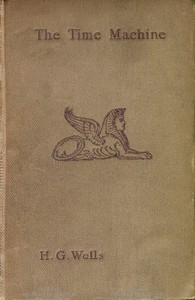
H.G. Wells published The Time Machine in 1895, when he was 29. It is the novel that established the time travel genre — the first story in which a character builds a machine specifically designed to travel through time and uses it deliberately.
It is also a Fabian socialist tract disguised as a science fiction adventure. The disguise is very good.
Open The Time Machine in warpread →
What The Time Machine Is About
The Time Traveller (Wells never names him) lives in Richmond, Surrey, and has built a machine that moves through the fourth dimension. He demonstrates a small model to dinner guests, disappears for a week, and then returns filthy, injured, and with an extraordinary story.
He has visited 802,701 AD. The human race has split. The Eloi live in decaying palaces above ground, eating fruit, doing nothing, incapable of doing anything. They are beautiful, gentle, and stupid. The Morlocks live underground, maintain the machinery that still runs the world, and emerge at night to harvest the Eloi — who are their food source, their livestock.
The Time Traveller loses his machine (stolen by Morlocks), befriends an Eloi girl named Weena, tries to retrieve the machine, and eventually escapes further into the future — to a dying earth with a bloated red sun — before returning to 1895.
The satire is hard to miss: the Eloi descended from the Victorian leisure class; the Morlocks from the working class. The evolutionary endpoint of their relationship is the reversal of their Victorian positions.
How Long Is The Time Machine?
| Reading speed | Time to finish |
|---|---|
| 200 WPM | ~2.8 hours |
| 250 WPM (average) | ~2.2 hours |
| 350 WPM (practised) | ~1.6 hours |
| 500 WPM (RSVP) | ~1.1 hours |
One of the most concentrated science fiction novels ever written — 33,000 words that contain a complete world.
How to Read It
The frame narrative — the novel is told through a narrator reporting the Time Traveller's story to dinner guests. This Victorian frame device is conventional; don't let it slow you down. The Time Traveller's account begins in Chapter 3.
The Eloi/Morlock revelation — Wells releases the information slowly, building from confusion (where are all the animals? why are there no old people?) to the full horror of the Morlock society. Follow his pacing rather than reading ahead.
Use warpread's RSVP mode at 350–400 WPM — Wells's prose is precise and fast-moving. The novella length means you can maintain high pace throughout.
The final chapters — the far-future beach scene is among the most affecting passages in early science fiction. Slow down here; it earns the pause.
Readers who want to move faster should start with how to speed read.
Where to Read The Time Machine Free
- warpread library — instant reading, RSVP mode, no account needed
- Project Gutenberg — complete text, EPUB and download
- Standard Ebooks — best-formatted free EPUB
Wells's Other Scientific Romances
The Time Machine belongs to Wells's "scientific romance" period:
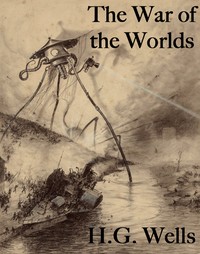
- The War of the Worlds — Martian invasion of Surrey; same satirical intent, different target
- The Island of Doctor Moreau — vivisection and the boundary between human and animal
For more Victorian speculative fiction: Jekyll and Hyde and Dracula work in the same mode from different angles.
For the full list of free classics, see the 50 best free classic novels to read online.
Continue Reading
If you enjoyed this guide, here are the best next steps:
Read The Time Machine free in warpread.app →
For tips on building reading speed with books like this, see our speed reading guide — covering what the research supports, RSVP practice, and how to track your progress.
Everything H. G. Wells wrote that has fallen into the public domain is in the library, along with the science fiction titles readers usually pair it with.